Mini Lemon Lavender Cakes-Zesty & Sweet Delight
Mini lemon cakes with lavender glaze offer a delightful escape into a world of bright, floral, and subtly sweet flavors. Imagin extracte biting into a tender, sun-kissed cake, its zesty lemon essence awakening your senses, followed by the ethereal whisper of lavender in a delicate, shimmering glaze. It’s no wonder these individual treasures are so beloved! They are the perfect balance of classic comfort and sophisticated elegance, making any occasion feel a little more special. Whether you’re hosting a tea party, celebrating a birthday, or simply treating yourself to a moment of pure bliss, these mini lemon cakes with lavender glaze are guaranteed to impress. The aromatic pairing of lemon and lavender is truly magical, creating a unique and unforgettable taste experience that lingers long after the last crum extractb is gone. Let’s bake some sunshine!
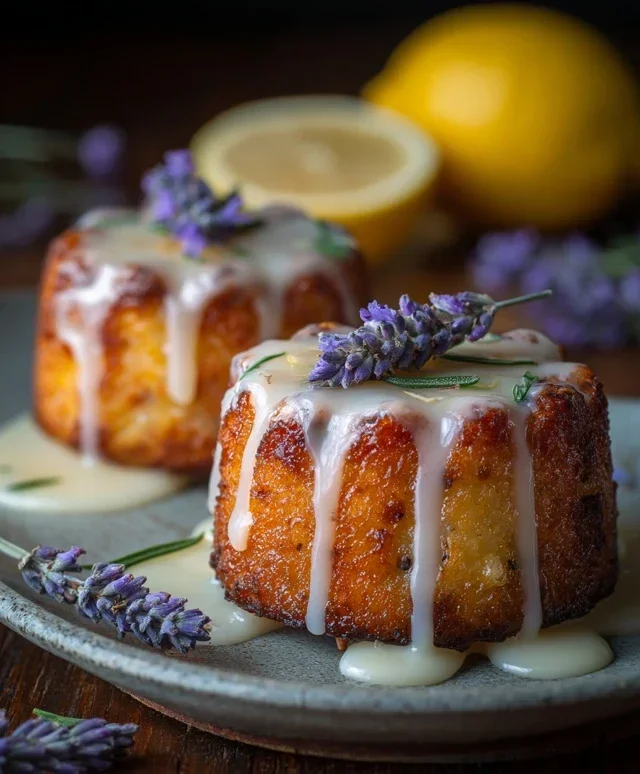
Mini Lemon Cakes With Lavender Glaze
There’s something incredibly charming about mini cakes. They feel so special, like little edible jewels. And when you combine the bright, zesty punch of lemon with the delicate floral perfume of lavender, you get a treat that’s both sophisticated and wonderfully comforting. These Mini Lemon Cakes with Lavender Glaze are perfect for afternoon tea, a special brunch, or simply when you need a little burst of sunshine. The moist, tender crum extractb of the lemon cake is elevated by a sweet, subtly floral glaze that will have your taste buds singin extractg. I’ve always loved the idea of incorporating unexpected flavors into classic bakes, and the pairing of lemon and lavender is a match made in heaven. Let’s get baking!
Ingredients:
Cake Batter Preparation
1. Preheat your oven to 350°F (175°C). Generously grease and flour your mini muffin tins or mini cake molds. If you’re using a standard mini muffin tin, this recipe will yield about 20-24 cakes. For a more consistent bake and easier removal, consider using silicone mini cake molds or paper liners if you prefer. It’s important to ensure your oven is fully preheated so the cakes bake evenly from the moment they go in. The greasing and flouring step is crucial to prevent any sticking, which can be particularly frustrating with delicate mini cakes. A light dusting of flour after greasing will create a non-stick barrier.
2. In a medium bowl, whisk together the all-purpose flour, 1/2 teaspoon of kosher salt, and the 1/8 teaspoon of baking soda. Whisking these dry ingredients together ensures that the leavening agents are evenly distributed throughout the batter, which is essential for a consistent rise and tender crum extractb. Set this bowl aside. Having your dry ingredients pre-mixed saves time and reduces the risk of overmixing the batter later.
3. In a large bowl, cream together the softened unsalted butter with the granulated sugar and packed light brown sugar. You can do this with an electric mixer on medium speed or by hand with a sturdy whisk until the mixture is light and fluffy. This process, known as creaming, incorporates air into the butter and sugar, which contributes to the cake’s tender texture and helps it rise. Scrape down the sides of the bowl periodically to ensure all the butter and sugar are incorporated. Add the 1 tablespoon of grated lemon zest to this mixture and mix until fragrant. The lemon zest is where much of the lemon flavor comes from, so don’t be shy with it! Make sure to zest the lemons before juicing them, as it’s much easier.
4. Add the 2 large eggs, one at a time, beating well after each addition. It’s important that your eggs are at room temperature, as they emulsify better with the butter and sugar mixture, leading to a smoother batter and a more tender cake. If your eggs are cold, you can quickly warm them by placing them in a bowl of warm water for about 5-10 minutes. Next, add the 1/4 cup of sour cream, 1/4 cup of whole milk, and 1 teaspoon of vanilla extract. Beat on low speed until just combined. The sour cream adds moisture and a slight tang that complements the lemon beautifully, while the milk provides the necessary liquid.
5. Gradually add the dry ingredients to the wet ingredients in three additions, mixing on low speed or by hand until just combined after each addition. Be careful not to overmix. Overmixing can develop the gluten in the flour, resulting in a tough cake. It’s perfectly fine to have a few small lumps in the batter at this stage. Once the flour is just incorporated, gently fold in any remaining batter clingin extractg to the sides of the bowl. This combination of wet and dry ingredients forms the foundation of our tender lemon cakes.
Baking the Mini Cakes
6. Divide the batter evenly among the prepared mini muffin cups or molds, filling each about two-thirds full. This will allow the cakes to rise without overflowing. Use a small spoon or a cookie scoop for consistent portioning. Place the filled tins into the preheated oven. Bake for 15-20 minutes, or until a wooden skewer or toothpick inserted into the center of a cake comes out clean. The exact baking time will depend on your oven and the size of your molds. Keep an eye on them towards the end of the baking period.
7. Once baked, let the mini cakes cool in their tins for about 5-10 minutes before carefully transferring them to a wire rack to cool completely. This initial cooling period in the tin helps them firm up slightly, making them easier to remove without breaking. Allowing them to cool completely on a wire rack is crucial before glazing, otherwise, the glaze will melt and slide off.
Lavender Glaze Preparation
8. While the cakes are cooling, prepare the lavender glaze. In a small saucepan, gently heat 1/4 cup of whole milk with 1/2 teaspoon of culinary lavender over low heat. Do not boil. You just want to infuse the milk with the lavender flavor. Let it steep for about 10-15 minutes off the heat, allowing the delicate floral notes to bloom. Once steeped, strain the lavender-infused milk through a fine-mesh sieve into a clean bowl, pressing gently on the lavender buds to extract as much flavor as possible. Discard the lavender.
9. To the strained lavender-infused milk, add 1 1/2 cups of powdered sugar and 1/4 teaspoon of kosher salt. Whisk until smooth and lump-free. The salt helps to balance the sweetness of the glaze and enhances the overall flavors. If the glaze is too thick, add a tiny bit more milk, a teaspoon at a time, until it reaches a drizzling consistency. If it’s too thin, gradually whisk in more powdered sugar until it thickens. The consistency should be thick enough to coat the cakes but thin enough to drizzle easily.
Glazing the Mini Cakes
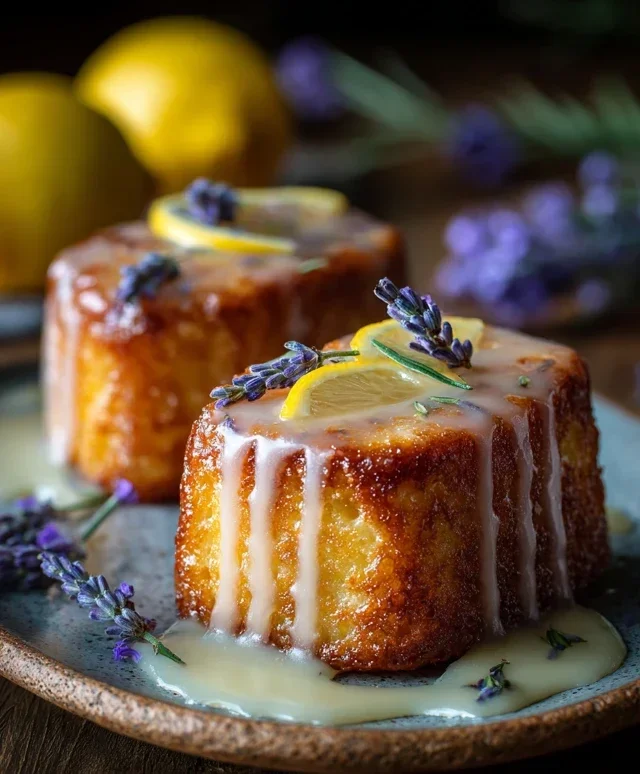
10. Once the mini lemon cakes are completely cool, it’s time for the final flourish. Drizzle the lavender glaze generously over the top of each cake. You can use a spoon to carefully drizzle, or for a more uniform look, you can place the glaze in a piping bag with a small tip or a zip-top bag with a corner snipped off. Let the glaze set for about 15-20 minutes before serving. These little cakes are delightful on their own, but you could also garnish them with a tiny fresh lavender sprig or a sliver of candied lemon peel for an extra touch of elegance. Enjoy your beautiful and delicious creations!
Conclusion:
These mini lemon cakes with lavender glaze are an absolute delight! Their bright, zesty flavor is perfectly balanced by the subtly floral sweetness of the lavender glaze, creating a sophisticated yet utterly approachable treat. The small, individual servings make them ideal for everything from afternoon tea parties to simple, elegant desserts. They’re incredibly satisfying to bake, filling your kitchen with a wonderful aroma, and even more rewarding to share. I truly encourage you to give these mini lemon cakes a try – they’re sure to become a favorite!
For serving, these little cakes shine on their own, but they also pair beautifully with a dollop of fresh whipped cream or a few fresh berries. You can also get creative with variations! Consider adding a touch of lemon zest to the cake batter for an even more intense citrus punch, or perhaps a tiny sprinkle of edible flowers on top of the glaze for an extra visual flourish. If lavender isn’t your favorite, a classic lemon glaze or even a simple vanilla glaze would also be delicious.
Frequently Asked Questions:
Can I make these cakes ahead of time?
Absolutely! The mini lemon cakes can be baked a day in advance and stored in an airtight container at room temperature. The lavender glaze is best applied closer to serving time, but you can make the glaze itself a day ahead and gently re-warm it if needed.
How do I store leftover cakes?
Store any leftover mini lemon cakes with lavender glaze in an airtight container at room temperature for up to 2 days. If you’ve added fresh cream or fruit, it’s best to refrigerate them and consume them within a day.
What if I don’t have fresh lavender?
No problem! You can use culinary-grade dried lavender buds for the glaze. Steep about 1-2 teaspoons of dried lavender in your milk or cream for about 10-15 minutes, then strain it well before incorporating it into your glaze. You can also omit the lavender entirely and make a simple, delicious lemon glaze instead!
Mini Lemon Cakes With Lavender Glaze
Delicate mini lemon cakes topped with a fragrant lavender glaze, perfect for a special occasion or afternoon tea.
Ingredients
-
1 1/3 cups all-purpose flour
-
1/2 tsp. kosher salt
-
1/8 tsp. baking soda
-
1/2 cup unsalted butter, softened
-
2/3 cup granulated sugar
-
1/3 cup packed light brown sugar
-
1 Tbsp. grated lemon zest (from 2 lemons)
-
2 large eggs, at room temperature
-
1/4 cup sour cream, at room temperature
-
1/4 cup whole milk, at room temperature
-
1 tsp. vanilla extract
-
1/4 cup whole milk
-
1/2 tsp. culinary lavender
-
1 1/2 cups powdered sugar
-
1/4 tsp. kosher salt
Instructions
-
Step 1
Preheat oven to 350°F (175°C). Grease and flour a mini muffin tin. -
Step 2
In a medium bowl, whisk together flour, 1/2 tsp. kosher salt, and baking soda. -
Step 3
In a large bowl, cream together softened butter, granulated sugar, and brown sugar until light and fluffy. Beat in lemon zest and eggs one at a time. -
Step 4
In a small bowl, whisk together sour cream, 1/4 cup whole milk, and vanilla extract. -
Step 5
Alternately add the dry ingredients and the wet ingredients to the butter mixture, beginning and ending with the dry ingredients. Mix until just combined. -
Step 6
Spoon batter into prepared mini muffin cups, filling each about two-thirds full. -
Step 7
Bake for 15-18 minutes, or until a toothpick inserted into the center comes out clean. -
Step 8
Let cakes cool in the tin for a few minutes before transferring to a wire rack to cool completely. -
Step 9
To make the glaze, combine 1/4 cup whole milk, culinary lavender, powdered sugar, and 1/4 tsp. kosher salt in a bowl. Whisk until smooth and pourable. Add more milk a teaspoon at a time if needed to reach desired consistency. -
Step 10
Drizzle the lavender glaze over the cooled mini cakes.
Important Information
Nutrition Facts (Per Serving)
It is important to consider this information as approximate and not to use it as definitive health advice.
Allergy Information
Please check ingredients for potential allergens and consult a health professional if in doubt.