Hearty Beef Ragu Pasta – Rich Tomato Sauce Recipe
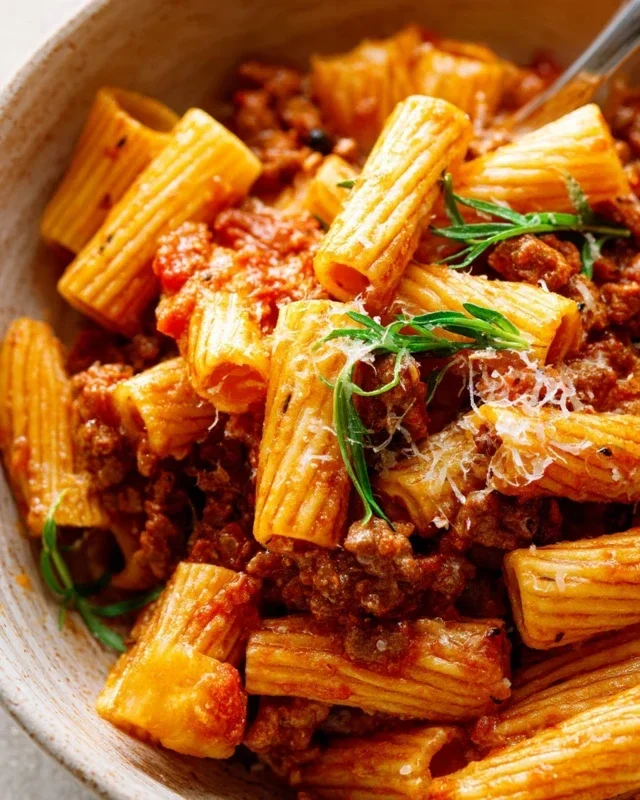
Beef Pasta in Tomato Sauce, affectionately known as Beef Ragu Pasta, is the ultimate comfort food, and for good reason. There’s something incredibly soul-satisfying about a rich, slow-simmered sauce clingin extractg to perfectly cooked pasta. It’s a dish that evokes warmth, family gatherings, and those cozy evenings where the aroma filling your kitchen is a promise of deliciousness to come. This isn’t just any pasta sauce; our Beef Ragu Pasta is a labor of love, transforming humble ground beef into a deeply flavorful, melt-in-your-mouth experience. We’re talking about tender beef, infused with the sweetness of tomatoes and a symphony of aromatic herbs and spices. Forget your weeknight dinner rut; this Beef Pasta in Tomato Sauce is designed to become a cherished staple in your recipe repertoire, a dish that will have everyone asking for seconds.
Ingredients:
Beef Pasta in Tomato Sauce {Beef Ragu Pasta}
There’s something incredibly comforting about a hearty bowl of pasta bathed in a rich, savory tomato sauce, and when you add ground beef to that equation, you elevate it to a whole new level of deliciousness. This Beef Ragu Pasta is the kind of meal that warms you from the inside out, perfect for a weeknight family dinner or a leisurely weekend lunch. It’s straightforward to make, and the results are consistently satisfying. The slow simmer of the tomato sauce allows the flavors to meld beautifully, creating a sauce that clings perfectly to every strand of pasta.
This recipe is a fantastic way to use simple, pantry-staple ingredients to create a truly special dish. The beauty of a good ragu is its versatility; you can adjust the seasonings to your liking and even add other vegetables if you have them on hand. But at its core, this recipe delivers that classic, satisfying beef and tomato combination that never fails to please. Let’s get cooking!
The Foundation: Browning the Beef
The first crucial step in building a flavorful ragu is to properly brown the ground beef. This process not only cooks the meat but also develops those wonderful, toasty notes that are essential for a deep flavor profile.
1. Heat the olive oil in a large skillet or Dutch oven over medium-high heat. Once the oil is shimmering, add the ground beef. Break up the meat with a spoon as it cooks. You’re looking for the beef to be browned on all sides and for most of the pink color to disappear. This will take about 5-7 minutes. It’s important not to overcrowd the pan; if your skillet is too small, brown the beef in batches. Overcrowding will steam the meat instead of browning it, resulting in a less desirable texture and flavor. Once browned, drain off any excess grease. This will prevent the sauce from becoming overly oily.
Building the Aromatics and Sauce
With the beef browned and ready, it’s time to introduce the aromatics and the star of the sauce – the crushed tomatoes. This is where the magic truly begin extracts to unfold.
2. To the same skillet (with the drained beef), add the chopped onion. Cook, stirring occasionally, until the onion is softened and translucent, which usually takes about 5 minutes. You want the onions to become tender and sweet, laying the groundwork for the sauce’s flavor. Then, add the minced garlic and cook for another minute until fragrant. Be careful not to burn the garlic, as it can turn bitter. Once the garlic is fragrant, pour in the can of crushed tomatoes. Stir everything together, scraping up any browned bits from the bottom of the skillet – these are packed with flavor!
Simmering to Perfection
The slow simmer is what transforms a simple tomato sauce into a rich, complex ragu. This is the time to let the flavors marry and deepen.
3. Add the dried oregano, dried basil, salt, and black pepper to the skillet. Stir well to distribute the seasonings throughout the sauce. Bring the mixture to a gentle simmer. Once it’s simmering, reduce the heat to low, cover the skillet, and let it cook for at least 30 minutes. The longer you can let it simmer, the better the flavors will develop. I often let mine go for an hour or even longer if time permits. Stir occasionally to prevent the sauce from sticking to the bottom of the pan. This slow cooking process allows the tomatoes to break down further, the herbs to release their aromas, and the beef to become incredibly tender.
Cooking the Pasta
While the ragu is simmering and developing its incredible flavor, it’s time to get your pasta ready. Properly cooked pasta is essential for the overall success of the dish.
4. About 15 minutes before you’re ready to serve, bring a large pot of salted water to a rolling boil. Add your chosen pasta and cook according to the package directions until al dente. This means the pasta should be tender but still have a slight bite to it. Overcooked pasta can become mushy and will not hold up well to the rich ragu. Once the pasta is cooked, drain it well, reserving about a cup of the pasta cooking water. This starchy water is liquid gold and can be used to help bind the sauce to the pasta if needed.
Bringin extractg It All Together
The final step is to combine the glorious ragu with the perfectly cooked pasta. This is where all your hard work comes together for a truly satisfying meal.
5. Add the drained pasta directly into the skillet with the beef ragu. Toss everything together gently, ensuring that every piece of pasta is coated in the delicious sauce. If the sauce seems a little too thick, you can add a splash of the reserved pasta cooking water, a tablespoon at a time, until you reach your desired consistency. The starch in the water will help the sauce emulsify and cling to the pasta. Serve immediately, garnished with grated Parmesan cheese and fresh basil leaves, if desired. This dish is best enjoyed hot, right off the stove!
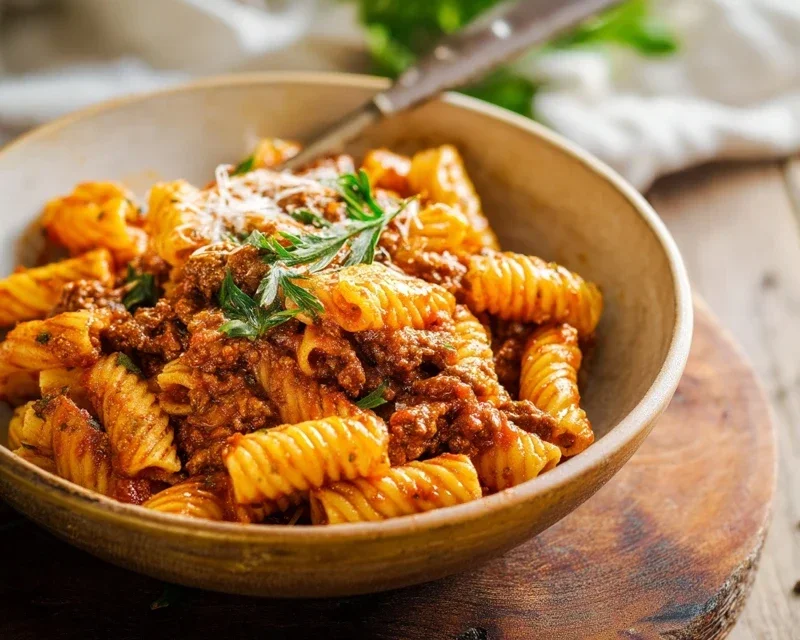
Conclusion:
And there you have it – a truly comforting and flavorful Beef Ragu Pasta! This recipe is a winner because it transforms simple ingredients into a rich, deeply satisfying meal that’s perfect for any night of the week. The slow simmer allows the beef to become incredibly tender, while the tomatoes and herbs meld into a beautifully balanced sauce that clings perfectly to your favorite pasta. It’s hearty, incredibly versatile, and guarantees smiles around the dinner table.
For serving, I love to top this Beef Pasta in Tomato Sauce with a generous sprinkle of freshly grated Parmesan cheese and a scattering of fresh basil leaves for an extra burst of freshness. A side of crusty bread for dipping is also a must! If you’re looking to switch things up, consider adding a splash of red grape juice to the sauce for added depth, or incorporating finely diced vegetables like carrots and celery along with the onion for a more robust ragu. Don’t be afraid to adjust the herbs to your liking – oregano and thyme are wonderful additions.
I truly encourage you to give this recipe a try. It’s a testament to how delicious simple, home-cooked food can be, and it’s a dish you’ll find yourself returning to again and again. Happy cooking!
Frequently Asked Questions:
Can I make this Beef Ragu Pasta ahead of time?
Absolutely! In fact, this ragu often tastes even better the next day as the flavors have more time to meld. You can refrigerate it for up to 3 days or freeze it for up to 3 months. Simply reheat gently on the stovetop before tossing with your cooked pasta.
What kind of pasta works best with this sauce?
This rich beef ragu pairs beautifully with most pasta shapes, but I find that heartier shapes like rigatoni, penne, pappardelle, or tagliatelle are particularly good because they hold the sauce well. However, spaghetti is always a classic and delicious choice too!
Beef Pasta in Tomato Sauce {Beef Ragu Pasta}
A hearty and flavorful beef ragu served over pasta, a classic comfort food dish.
Ingredients
-
1 tablespoon olive oil
-
1 pound ground beef
-
1 large onion, chopped
-
2 carrots, chopped
-
2 celery stalks, chopped
-
2 cloves garlic, minced
-
1 (28 ounce) can crushed tomatoes
-
1 teaspoon dried oregano
-
1/2 teaspoon dried basil
-
Salt and freshly ground black pepper to taste
-
1 pound pasta, cooked according to package directions
Instructions
-
Step 1
Heat olive oil in a large pot or Dutch oven over medium heat. -
Step 2
Add ground beef and cook, breaking it up with a spoon, until browned. Drain off any excess fat. -
Step 3
Add chopped onion, carrots, and celery to the pot. Cook until softened, about 8-10 minutes. -
Step 4
Stir in minced garlic and cook for 1 minute more until fragrant. -
Step 5
Pour in the crushed tomatoes, dried oregano, and dried basil. Season with salt and pepper. -
Step 6
Bring the sauce to a simmer, then reduce heat to low, cover, and cook for at least 1 hour, or until the sauce has thickened and the flavors have melded. Stir occasionally. -
Step 7
Serve the beef ragu over cooked pasta.
Important Information
Nutrition Facts (Per Serving)
It is important to consider this information as approximate and not to use it as definitive health advice.
Allergy Information
Please check ingredients for potential allergens and consult a health professional if in doubt.