Authentic German Potato Pancakes – Crispy & Delicious
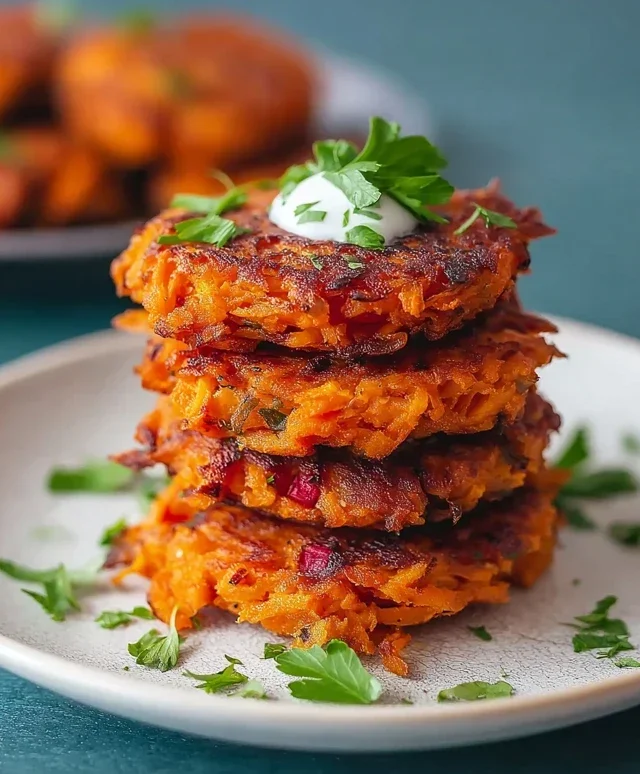
German Potato Pancakes, also known as Kartoffelpuffer or Reibekuchen, are a comforting classic that brings a taste of home to any table. There’s something undeniably magical about these golden, crispy discs. We love them for their satisfying crunch on the outside and their tender, flavorful interior. What makes German Potato Pancakes so special is their beautiful simplicity, allowing the humble potato to truly shine. They are versatile too – perfect as a savory appetizer with a dollop of sour cream or applesauce, or even as a light main course. Imagin extracte the aroma filling your kitchen as they sizzle, promising a delicious and soul-warming experience. Get ready to recreate this beloved dish in your own kitchen and share the joy of authentic German Potato Pancakes!
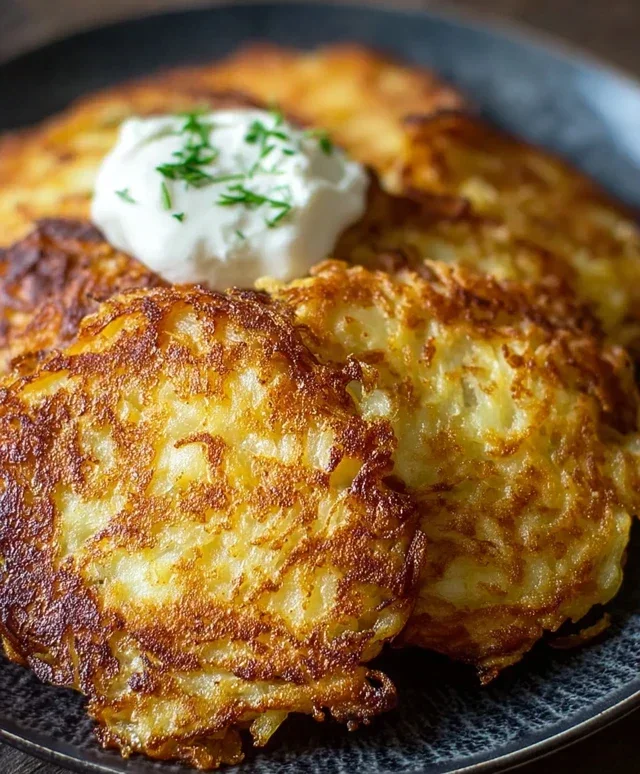
German Potato Pancakes
There’s something incredibly comforting about a stack of golden-brown, crispy German potato pancakes, also known as Kartoffelpuffer. They’re a simple yet delightful dish, perfect for a hearty breakfast, a satisfying lunch, or even a light dinner. The beauty of Kartoffelpuffer lies in their rustic charm and the wonderful interplay of textures – a crisp exterior giving way to a tender, potato-rich interior. Served with a dollop of cool applesauce or tangy sour cream, they’re a taste of tradition that never fails to please. Making them at home is surprisingly straightforward, and the aroma that fills your kitchen as they fry is simply irresistible. Let’s get started on creating these delicious classics!
Ingredients:
Preparing the Potatoes and Onion
The key to perfectly textured potato pancakes starts with how you prepare your vegetables. For this recipe, russet potatoes are ideal because their starch content helps bind the pancakes and achieve that desirable crispy edge. Once peeled, the next crucial step is to grate them. You can use a box grater or a food processor with a grating attachment. I personally prefer using the large holes of a box grater for a slightly more rustic texture, but a food processor is certainly faster if you’re in a hurry. The onion should also be grated, or very finely minced, to ensure it integrates seamlessly into the batter without large chunks. After grating both the potatoes and the onion, it’s vital to remove as much excess moisture as possible. This is arguably the most important step for achieving crispiness. Place the grated mixture in a clean kitchen towel or cheesecloth and wring it out thoroughly. You’ll be surprised at how much liquid comes out! Squeeze, squeeze, squeeze – the drier the potato mixture, the crispier your pancakes will be.
Mixing the Batter
Once your grated vegetables are as dry as you can get them, transfer them to a medium-sized mixing bowl. Now it’s time to bring everything together. Add your good pinch of salt and a few grinds of black pepper to the bowl. Remember, you can always add more salt later, so start with a conservative amount. Next, sprinkle in the 3 tablespoons of all-purpose flour. The flour acts as a binder, helping to hold the potato pancakes together during frying. Finally, pour in the lightly beaten large egg. The egg also plays a crucial role in binding the ingredients and contributes to the richness of the pancakes. Using your hands or a sturdy spoon, gently mix all the ingredients together until they are just combined. Be careful not to overmix, as this can make the pancakes tough. You want a cohesive mixture where the potatoes and onion are evenly coated with the flour and egg.
Frying to Golden Perfection
Now for the exciting part – frying! You’ll need a good amount of vegetable oil in a large, heavy-bottomed skillet or frying pan. I like to use about ¼ inch of oil, ensuring it’s hot but not smoking. You can test the oil’s temperature by dropping a tiny bit of the potato mixture into it; it should sizzle immediately. Working in batches is essential to avoid overcrowding the pan, which will lower the oil temperature and result in greasy, soggy pancakes. Using a large spoon or a ¼ cup measuring cup, scoop portions of the potato mixture into the hot oil. Gently flatten each portion with the back of the spoon to create evenly shaped pancakes, about ¼ to ½ inch thick. Be mindful of how much space you’re giving each pancake; they need room to fry properly.
Cooking and Flipping
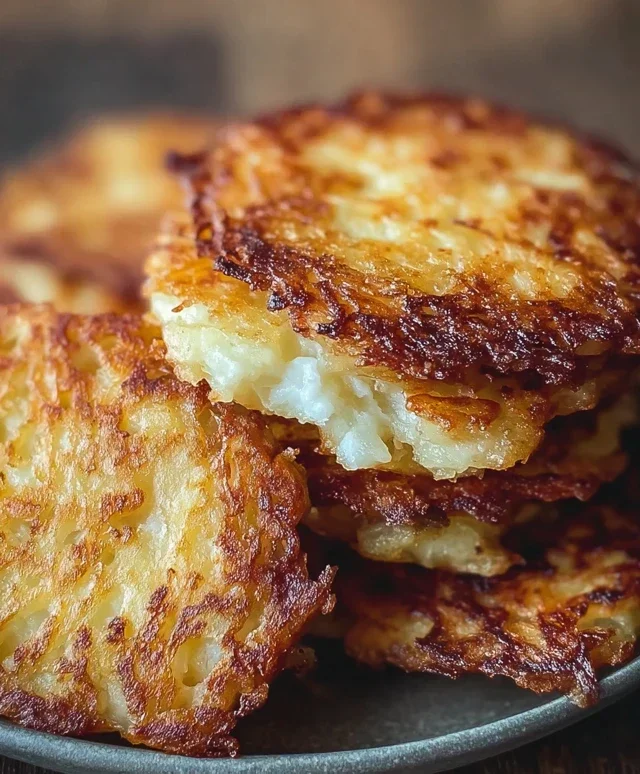
Allow the first side of the potato pancakes to fry for about 4-5 minutes, or until they are deeply golden brown and beautifully crisp. You’ll be able to tell when they are ready to flip by gently nudgin extractg one with a spatula; it should release easily from the pan. Carefully slide a thin spatula underneath each pancake and flip it over to cook the other side. This side usually takes a little less time, around 3-4 minutes, to achieve the same golden-brown crispiness. Keep an eye on the heat of your oil. If it seems to be getting too hot, reduce it slightly. If it’s not hot enough, the pancakes will absorb too much oil. You might need to adjust the heat as you go.
Draining and Serving
As each batch of potato pancakes finishes frying, remove them from the skillet using your spatula and place them on a plate lined with paper towels. This step is crucial for absorbing any excess oil, ensuring your Kartoffelpuffer are perfectly crisp and not greasy. Continue this process until all the batter has been fried. Season the pancakes with a little more salt, if desired, immediately after they come out of the pan. This is also the time to taste and adjust the seasoning for future batches.
Serve your freshly made German potato pancakes immediately for the best crispy texture. They are traditionally served with a side of cool, sweet applesauce, which provides a lovely contrast to the savory pancakes. A dollop of creamy sour cream is another classic accompaniment, offering a delightful tang. For those who enjoy a touch of sweetness, a sprinkle of brown sugar can be a wonderful addition. If you’re looking for something a little different, a homemade yogurt sauce can also be a delicious and refreshing option. Enjoy every warm, crispy, and comforting bite!
Conclusion:
There you have it – a delightful and straightforward guide to making authentic German Potato Pancakes, or Kartoffelpuffer! These crispy, golden delights are more than just a dish; they’re a comforting taste of tradition, perfect for any occasion. The beauty of this German potato pancake recipe lies in its simplicity and the incredible flavor that comes from just a few quality ingredients. The satisfying crunch of the exterior, combined with the tender, starchy interior, makes them utterly irresistible. I truly hope you’ll give this recipe a try and experience the joy of creating these classic treats in your own kitchen. They are a guaranteed crowd-pleaser!
When it comes to serving, the possibilities are wonderfully diverse. Classically, they are enjoyed with a dollop of applesauce or a sprinkle of sugar for a sweet contrast. For a savory experience, try them with sour cream, smoked salmon, or even a side of crisp green salad. Don’t be afraid to experiment with variations either! You can finely chop onions or chives into the batter for an extra layer of flavor, or even add a pinch of nutmeg for a hint of warmth. These German potato pancakes are remarkably versatile and forgiving, so embrace your culinary creativity.
Frequently Asked Questions about German Potato Pancakes:
Q1: What is the best type of potato to use for German Potato Pancakes?
For the crispiest and most flavorful German potato pancakes, starchy potatoes are ideal. Varieties like Russets or Idaho potatoes work exceptionally well because they have a lower moisture content and a higher starch content, which helps them crisp up beautifully when fried. Waxy potatoes can sometimes result in a more delicate, less crispy pancake.
Q2: How can I prevent my potato pancakes from becoming greasy?
Ensuring your cooking oil is sufficiently hot before frying is key to preventing greasy pancakes. The hot oil will immediately seal the exterior, creating a crisp crust. Another tip is to drain the grated potatoes very well after squeezing out excess moisture. Once cooked, place the finished potato pancakes on a wire rack set over a baking sheet rather than on paper towels, which can trap steam and make them soggy.
Q3: Can I make the batter for German potato pancakes ahead of time?
While it’s best to fry the German potato pancakes immediately after preparing the batter to achieve the optimal texture, you can grate the potatoes and mix the ingredients (except for the raw potato) a short while in advance. However, once the grated potatoes are added to the mixture, they will start to oxidize and turn brown. It’s recommended to cook them within 15-20 minutes of combining all ingredients.
German Potato Pancakes
Crispy and savory German potato pancakes, a classic comfort food perfect with sweet or savory toppings.
Ingredients
-
1 pound russet potatoes, peeled
-
1 small yellow onion
-
A good pinch of salt, plus more to taste
-
A few grinds of black pepper
-
3 tablespoons all-purpose flour
-
1 large egg, lightly beaten
-
Vegetable oil for frying
-
Applesauce
-
Sour cream
-
Brown sugar
-
Yogurt sauce
Instructions
-
Step 1
Grate the peeled potatoes and onion using a box grater or food processor. Squeeze out as much excess liquid as possible using a clean kitchen towel or cheesecloth. -
Step 2
In a medium bowl, combine the grated potato-onion mixture with salt, black pepper, all-purpose flour, and the lightly beaten egg. Mix until just combined. -
Step 3
Heat about 1/4 inch of vegetable oil in a large skillet over medium-high heat until shimmering. -
Step 4
Carefully drop spoonfuls of the potato mixture into the hot oil, flattening them slightly with the back of the spoon to form pancakes. Do not overcrowd the pan. -
Step 5
Fry for 3-5 minutes per side, until golden brown and crispy. Adjust heat as needed to prevent burning. -
Step 6
Remove the potato pancakes from the skillet and drain on a wire rack or paper towels. Season with additional salt to taste if desired. -
Step 7
Serve hot with your favorite accompaniments like applesauce, sour cream, brown sugar, or yogurt sauce.
Important Information
Nutrition Facts (Per Serving)
It is important to consider this information as approximate and not to use it as definitive health advice.
Allergy Information
Please check ingredients for potential allergens and consult a health professional if in doubt.